
Excessively large breasts can place strain on the body and affect daily comfort, posture, and mobility. Many women experience persistent neck, shoulder, and back discomfort, along with skin irritation and difficulty finding supportive clothing. When breast size interferes with physical well-being or quality of life, breast reduction can be a lasting, surgical solution.
At Peak Plastic Surgery Center in Denver, fellowship-trained plastic surgeon Dr. Eric Barker performs breast reduction surgery with a focus on balance, comfort, and natural-looking results
What Is Breast Reduction?
Breast reduction, also known as reduction mammoplasty, is a surgical procedure that removes excess breast tissue, fat, and skin to create breasts that are more proportionate to the body. In addition to reducing volume, the procedure reshapes the breasts and repositions the nipples and areolas for a more balanced appearance.
In most cases, breast reduction also addresses sagging by incorporating lifting techniques, improving both comfort and contour.
Why Choose Peak Plastic Surgery Center for Breast Reduction in Denver, CO?
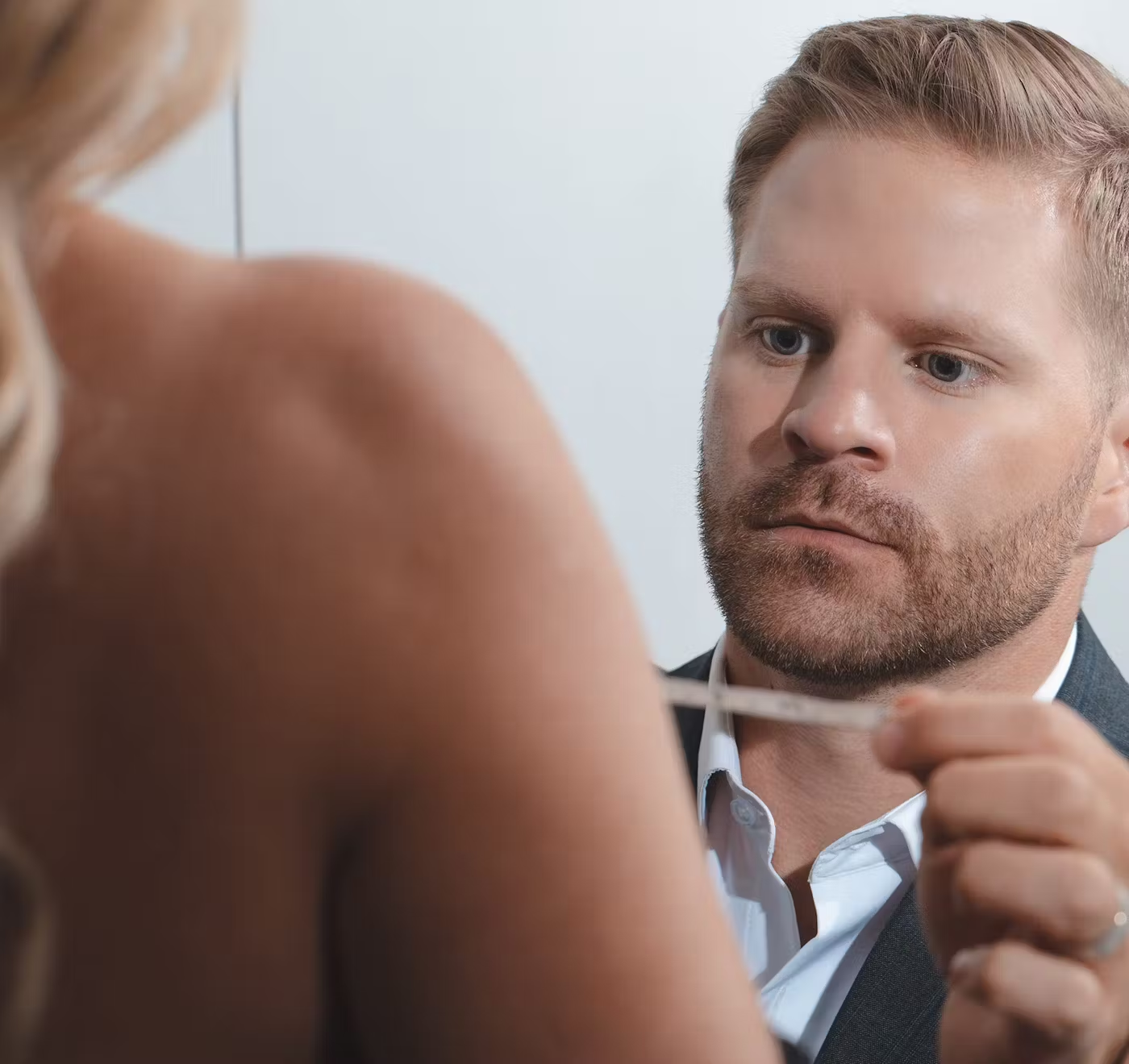
Breast reduction surgery is as much about comfort and function as it is about appearance. At Peak Plastic Surgery Center, Dr. Eric Barker evaluates breast weight, body frame, posture, and tissue characteristics to determine an approach that supports physical relief while maintaining balanced proportions.
As a fellowship-trained plastic and reconstructive surgeon, Dr. Barker approaches breast reduction with careful attention to safety and long-term outcomes. Each plan is developed with a focus on results that are authentic, comfortable, and sustainable rather than purely cosmetic.
Breast Reduction FAQs
The cost of your breast reduction surgery can be discussed with Dr. Barker during your consultation. Once he has developed your treatment plan, it is easier to estimate your costs, which will include anesthesia and facility fees, among others. Breast reduction surgery often causes a dramatic improvement in all aspects of life, so our team will help you find low-interest medical financing to make your treatment easy to afford if needed.
The nipples and areola will be shifted up to a central position on your breast mound during the surgery. Dr. Barker will choose an incision technique so the nipples and areolas are easily relocated to a more attractive, youthful-looking position. It is also possible to reduce the size of the areolas with areolaplasty (areola reduction). Your options will be discussed during your private consultation. Dr. Barker will help decide on the best treatment plan to achieve your goals.
Breast reduction surgery may affect your ability to breastfeed. Although most women can still breastfeed after a surgical reduction, some cannot. It is difficult to predict whether your surgery will interfere with breastfeeding. Dr. Barker will discuss in depth all potential risks and complications of breast reduction surgery with you during your consultation.
Following breast reduction surgery, your breasts can get smaller or bigger with significant weight changes. This is why it is helpful to be at a healthy, stable weight that you can maintain before and after your surgery. During your consultation, Dr. Barker will talk to you about the best ways to prepare for your surgery and what you can do afterward to help make sure your results last.
Insurance may cover breast reduction when the procedure is considered medically necessary, not just cosmetic. Insurance companies often review symptoms such as chronic neck, shoulder, or back discomfort; skin irritation; shoulder grooving from bra straps; and limitations in exercise or daily activities. They may also request documentation of previous nonsurgical treatments, such as physical therapy, supportive bras, medications, or dermatologic care for rashes.
Coverage requirements vary by insurance plan, so patients should contact their provider directly. You can also discuss financing options with a member of our staff.
The amount of breast reduction possible depends on several factors, including current breast size, body frame, skin elasticity, tissue composition, nipple position, and blood supply to the nipple-areola complex. While many women have a desired cup size in mind, bra sizing is not standardized, so the surgical plan is usually based more on proportion, comfort, and anatomy. Dr. Barker can discuss how much tissue may be safely removed while still preserving a natural shape.
Yes. Breast reduction typically includes a lifting component because the procedure removes excess tissue and skin while reshaping what remains. In most cases, the nipples and areolas are repositioned higher to match the new contour. This can improve sagging and create a smaller, lighter, more elevated shape.
While a reduction and lift (mastopexy) are not exactly the same procedure, they often overlap in technique. Patients who have both heaviness and drooping may benefit from the functional relief of reduction, along with the improved shape associated with a lift.
The type of scars you can expect after breast reduction depends on the incision pattern used for your anatomy and the degree of reduction needed. Many reductions involve an incision around the areola, a vertical incision down the lower breast, and sometimes a horizontal incision along the breast crease. This is often called an anchor or inverted-T pattern. Some women may be candidates for a shorter-scar approach.
Scars are permanent, but they typically fade and soften over time with proper healing and care.
Most patients wear a surgical bra or soft, supportive bra during the early recovery period after breast reduction. This helps support the tissues, reduce swelling, and minimize unnecessary movement while the incisions recover. The exact amount of time varies depending on your surgical plan, healing progress, and Dr. Barker’s recommendations at follow-up visits.
Some women transition into a different supportive bra after the first few weeks, while underwire bras are usually avoided until the incisions have healed more fully. Wearing the recommended bra as directed can help protect your results during the initial stages of recovery.
Some changes in nipple or breast sensation are common after reduction, especially during the early stages of healing. Sensation may feel reduced, heightened, uneven, or temporarily numb as swelling improves and the nerves recover.
For many patients, these issues gradually improve over several weeks or months. However, permanent changes in sensation are possible, particularly when a larger reduction is performed.
Learn More About Breast Reduction in Denver, CO
If breast size is affecting your comfort or daily life, breast reduction may be an appropriate option. At Peak Plastic Surgery Center, care begins with a thoughtful, one-on-one evaluation focused on your needs and goals.
To learn more about breast reduction surgery at Peak Plastic Surgery Center in Denver, CO, call 720-500-3815 and schedule a private consultation.
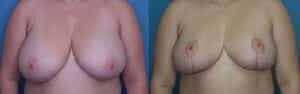
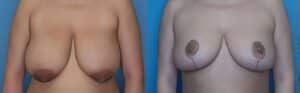
Breast Reduction Before & After