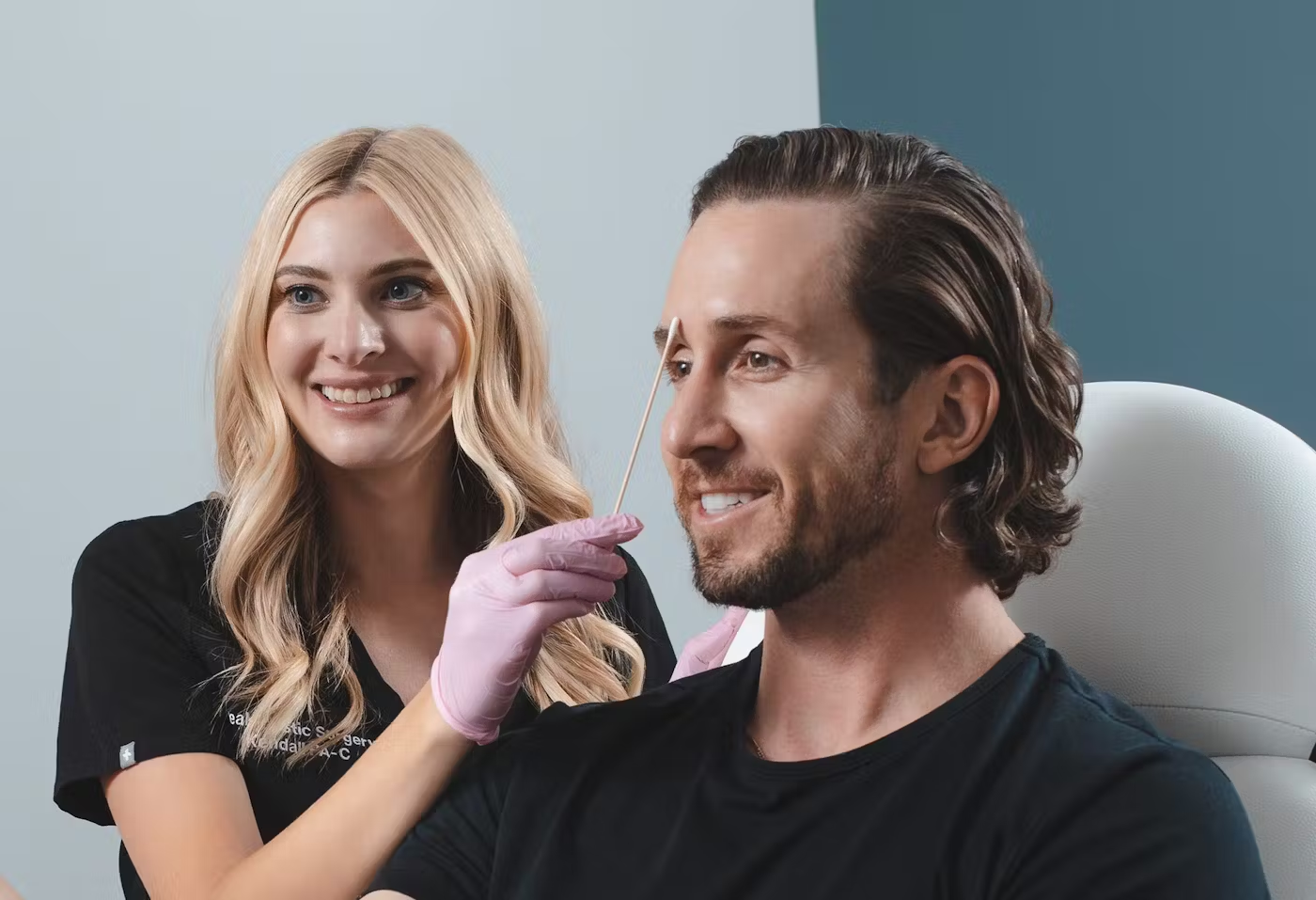
PRP stands for platelet-rich plasma. Plasma is the liquid portion of your blood that contains platelets, which play a key role in tissue repair and regeneration. These platelets release growth factors that support cellular activity, collagen formation, and circulation.
To create PRP, a small blood sample is drawn and processed in a centrifuge to concentrate the platelets. The resulting PRP is then carefully injected into targeted areas of the skin or scalp.
Because PRP is derived entirely from your own body, it is well-tolerated and does not rely on synthetic materials.
As skin ages or hair thins, many patients seek options that feel natural, subtle, and aligned with the body’s own healing processes. Platelet-rich plasma (PRP) injections use your own blood-derived growth factors to support skin quality, collagen activity, and hair follicle health — without synthetic fillers or surgery.
At Peak Plastic Surgery Center in Denver, PRP treatments are thoughtfully incorporated into personalized care plans under the guidance of Dr. Eric Barker. With a strong focus on ethics, safety, and long-term results, PRP is offered as part of a refined, non-surgical approach to aesthetic care.
PRP for Skin Rejuvenation and Volume Support
PRP injections are commonly used to improve skin quality and address early signs of aging. When applied to the skin, PRP supports collagen production and tissue renewal, helping the complexion appear healthier and more refreshed over time.
Patients often choose PRP to help with:
Early volume changes
Uneven skin tone or texture
Dull or tired-looking skin
Fine lines and surface aging
PRP is sometimes selected by patients who prefer to avoid dermal fillers or who want a biologic option that works gradually.
PRP for Hair Loss
PRP can also be injected into the scalp to support hair follicle health. By improving circulation and delivering growth factors directly to the follicles, PRP may help slow shedding and encourage thicker, stronger hair growth over time.
PRP hair treatments are commonly considered by patients experiencing early thinning, increased shedding, or changes in hair density. While results develop gradually, PRP can be a valuable non-surgical option for maintaining hair quality.
Who Is a Good Candidate for PRP Injections?
PRP injections may be appropriate for patients seeking natural support for skin or hair without synthetic products. You may be a good candidate if you:
Prefer treatments derived from your own body
Are noticing early skin aging or hair thinning
Want minimal downtime
Are in good overall health
PRP may not be appropriate for everyone. During a private consultation, Dr. Barker reviews your medical history, goals, and expectations to determine whether PRP aligns with your needs or whether another treatment may be more suitable.
What to Expect During PRP Treatment
PRP injections are performed in the office and typically take about 30 minutes. The process involves three main steps:
A small blood draw
Processing the blood to concentrate platelets
Injecting PRP into the targeted skin or scalp areas
Most patients tolerate the procedure well. A topical numbing agent may be used for comfort, depending on the treatment area. There is no required downtime, and patients generally return to normal activities the same day.
Results and Treatment Planning
PRP results develop gradually as the body responds to the growth factors. For skin concerns, improvement in tone and texture often becomes noticeable over the following months. For hair treatments, changes in thickness and shedding patterns may appear with a series of sessions.
Treatment schedules vary based on individual goals. Some patients benefit from an initial series followed by maintenance sessions spaced out over time.
Why Choose Peak Plastic Surgery Center for PRP Injections in Denver, CO?
PRP is not a one-size-fits-all treatment, and at Peak Plastic Surgery Center, it is approached with careful patient selection and realistic goal-setting. Dr. Eric Barker evaluates whether PRP is truly appropriate based on tissue quality, healing capacity, and how the treatment fits into a broader aesthetic or restorative plan.
As a fellowship-trained plastic and reconstructive surgeon, Dr. Barker brings a deep understanding of anatomy and tissue behavior to biologic treatments like PRP. Each plan is developed with intention and restraint, guided by ethics, respect for patient trust, and a focus on results that integrate naturally rather than appearing overdone. Care is delivered within a calm, private setting designed to support a smooth, discreet experience.
PRP Injection FAQs
Most patients benefit from a series of three PRP sessions. The exact number depends on whether the treatment focuses on skin quality or hair thinning, as well as on individual response. Dr. Barker personalizes each plan based on goals, tissue condition, and desired level of improvement.
PRP treatments are commonly spaced four to six weeks apart. This timing allows the body to respond to growth factors and begin tissue regeneration between sessions. Spacing may vary based on the treatment area, whether PRP is used alone or in combination with other procedures, and individual goals.
PRP results develop gradually. For skin treatments, changes in tone and texture may appear within a few weeks, with continued improvement over several months. For hair treatments, reduced shedding and early thickening are often noticed after multiple sessions as follicles respond.
Schedule a PRP Injection Consultation in Denver, CO
PRP injections offer a biologic approach to skin rejuvenation and hair support that works with your body rather than against it. When planned carefully and performed in an elevated setting, PRP can be a meaningful part of long-term aesthetic care.